Growing up as a kid in the most diverse country,
India, I was taught to appreciate multiple cultural practices throughout the
country. Though I was brought up into Christianity, Hinduism was another religion I was most exposed to.
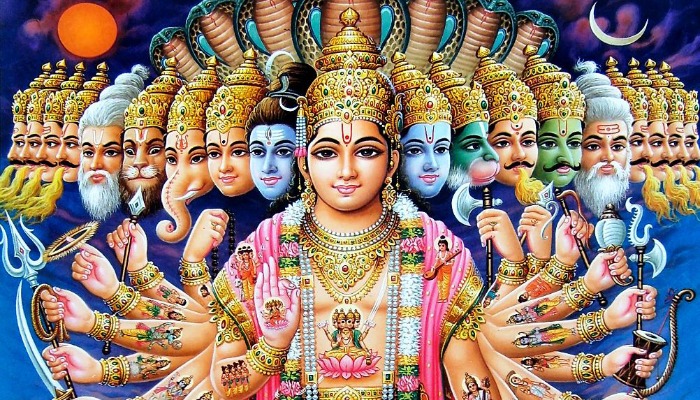
Hinduism, the most widely professed faith in the
country, is a religion that has diverse roots to all the various Indian
cultures and traditions. It has so much depth to each theme that defines Hinduism and a lot of them have no idea about its origins. In India, a wide variety of
forms of congregational worship, in Hinduism, is known by the term Bajanam. These
are devotional songs song by various bajanam groups to a deity. There are
different styles depending on the performing style of the group (language,
music style, etc.) and the god who is being worshipped. In Hinduism, as we all might know, people are followers of different gods and different people have
different beliefs about their spiritual ideas.
I and my family would often go on some early morning
trips to the beach, tennis practices or the gym. As we turn on the radio, even
today, most of the radio stations play only the Bajanams, starting at 5am until
7am every day. Each radio station would play multiple bajanams worshipping
different gods and in different languages. To be honesty, I sometimes wonder
the meanings of the spiritual words used as the lyrics of these songs even though
it might be in my language. Generally, Bajanams have traditional or a more of
the ancient textual words from the sacred texts and scriptures in Hinduism.
All of these words have very complex and deep spiritual meaning that could be hardly
identified by anyone.
My mom always said that the Bajanams were proven to
spread the strongest positive vibes through people irrespective of their religious
or linguist background. Sometimes, I find my grandmother turn on music tapes of
Bajanams every time she feels she needs some time with god. Many of my other
grandmothers, who have well experienced its positivity, confess that it provides
peace and relaxation by just listening to it.
Most of the Bajanams that I have encountered are the
ones that are sung by either a male or a female for several minutes. They are
all very slow paced and repetitive. Bajanams follow the classical Indian music,
the raga and the tala. They are mostly songs that seem to have lyrics which
sounds like chanting a sacred text. A typical Bajanam uses a complete set of unique
instruments, found only in India, to give a different tone and texture to the
music. Earlier, we read about the cultural practices of the Natives American people who do
not place instruments on the floor, at least with out a blanket. It is the same
in India. At any event that involves the musical instrument of the traditional
India, it is very irrespectful for the musician to play the instrument placed on the ground. Often,
the musicians play their instruments sitting on the floor and placing it on their
lap or spreading a sheet of cloth or blanket to rest the instrument.


Its cool to see the music of Hinduism because I took a class that talked about it and as I read I can remember the conversation of the different Gods and people not just worshiping one God. So what God or beliefs do you and your family believe in or worship?
ReplyDeleteI have always wanted to travel to India. I have also learned about Hinduism previously in high school, but I did not know that the origin is unknown. This was such an interesting blog to read!
ReplyDeleteI have always wanted to travel to India. I have also learned about Hinduism previously in high school, but I did not know that the origin is unknown. This was such an interesting blog to read!
ReplyDeleteI think it's really interesting how you said the Bajanams can be enjoyed by anyone even though they are religious songs. I grew up in the Christian church, but I'm not religious now. Still, I enjoy and have an appreciation for sacred music.
ReplyDeleteI have never heard Indian music before, other than what plays in the background of documentaries and such. It was interesting to read about this specific form of Indian religious music.
ReplyDelete